
































Introducing a new puppy to your current dog is often an exciting process, and many dogs will become fast friends and eas...
Read MoreAdopt Me
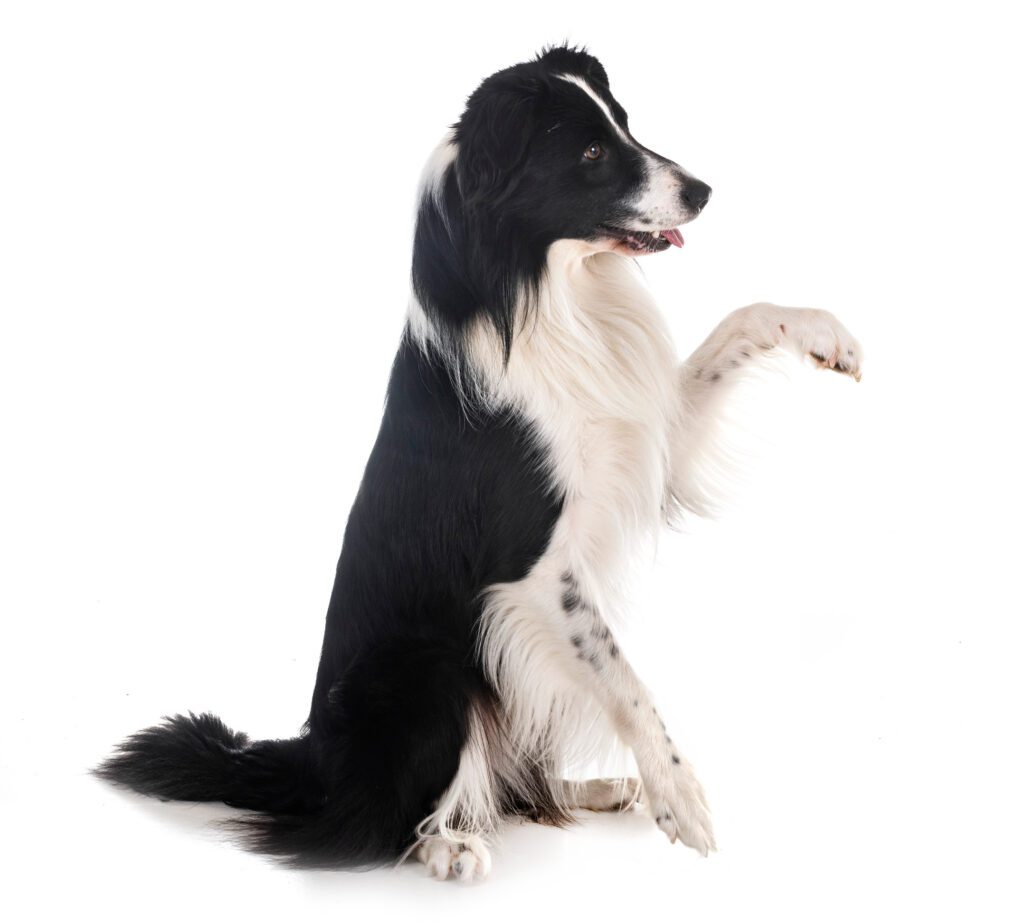
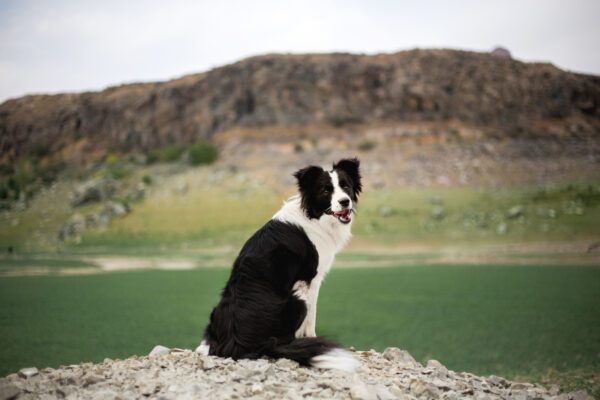
Border collies are smart, focused, and always ready to work. That makes them a great match for active households in North Carolina, especially those with yards, trails, or farmland. However, they’re not for everyone. If you’re thinking about adoption, it’s important to understand how this high-energy breed fits into your daily life.
Adopting a dog is more than a good deed. It’s also a chance to skip some of the early training headaches, especially if you adopt a young adult or older border collie. In a bustling place like North Carolina, adoption often gives you access to well-vetted dogs through shelters or breed-specific groups, and that can mean a smoother transition into your home.
Whether you live in the suburbs of Raleigh or near the Blue Ridge Mountains, bringing home a border collie comes with both perks and responsibilities. This guide breaks down what to expect and how to get started.
Adopting a border collie in North Carolina usually starts with checking your local shelters, animal control centers, or breed-specific rescues. The state’s mix of rural farmland and growing suburbs makes it more common to find herding breeds like this available for adoption.
You’ll begin by filling out an application through the shelter or rescue group. This may include questions about your living space, daily routine, and experience with dogs. In North Carolina, some counties, such as Wake or Buncombe, may require proof of rabies vaccination or dog licensing after adoption. Most adoption centers also require an in-person meet and greet before approval.
Once approved, you’ll usually pay an adoption fee, sign a contract, and be expected to bring your new dog home within a few days. Some rescues may also conduct home visits, especially if you’re adopting a high-drive dog with a history of behavioral challenges. These steps are meant to ensure the breed’s needs are well matched with the environment.
That said, please note that leash laws are enforced across most North Carolina cities, and rabies vaccinations are required statewide. Also, check your county’s noise or containment regulations if you live in a more densely populated area. Border collies can be vocal, especially when under-stimulated, so it’s worth preparing for training and engagement from day one.
|
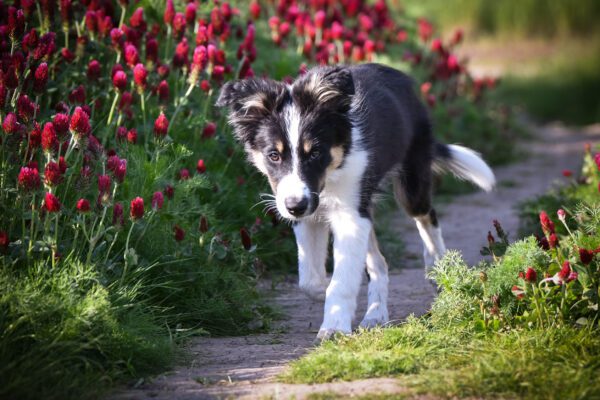
How Much Does It Cost to Adopt a Border Collie in North Carolina?Adopting a border collie in North Carolina costs between $75 and $350, depending on the organization and the age of the dog. The price is usually low when you adopt from local animal shelters or specialized rescue organizations. Regardless of where you adopt from, the final cost includes vaccinations, spay/neuter surgery, and microchipping. |
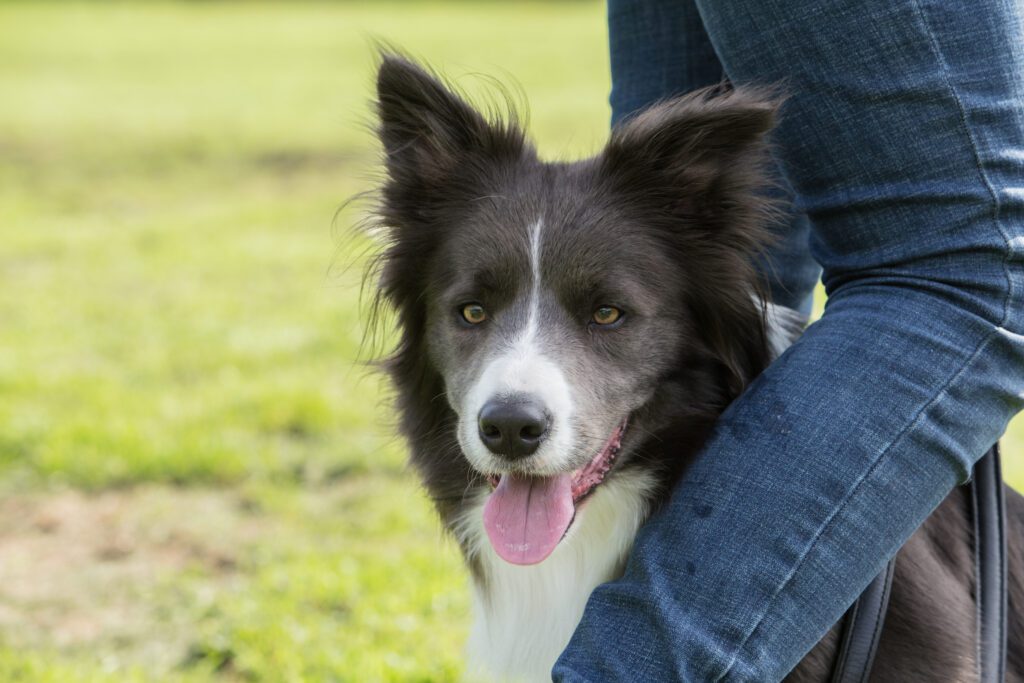
How Should I Train a Border Collie?Border collies are a high-energy, working breed. They need regular training and exercise with a structured and consistent approach. These dogs are intelligent and learn quickly, but they also need mental and physical stimulation, especially in North Carolina’s varied climate, ranging from humid summers to mild winters. Rewards‑based training works best with this breed. So, use treats, praise, and play to reinforce behaviors. Also, make the best use of your geographical location based on the climate. For instance, keep sessions short and purposeful, especially during warmer months in cities like Fayetteville or Raleigh. In the cooler mornings or evenings, you can combine training with physical activities like agility work or off-leash recall in secure areas. Similarly, if you live near the coast or in western North Carolina, take advantage of natural spaces. Trails around Asheville or the beaches near Wilmington offer the room and stimulation that border collies thrive on. That said, structure and consistency are key. If you need guidance, consider an online training program like Dog Academy’s courses, which offer step-by-step support tailored to high-drive breeds like this. |
|
Bringing a border collie home in North Carolina means finding a match suited to your lifestyle and local climate. If you live in rural counties with large yards or farmland, a high‑drive border collie may thrive with room to run. City dwellers in places like Charlotte or Greensboro might prefer a young adult dog already accustomed to leash walks and mental games indoors.
When you’re ready, consider local rescue organizations or shelters, do your research, and find the right fit for your energy level and home environment.

Introducing a new puppy to your current dog is often an exciting process, and many dogs will become fast friends and eas...
Read More
Rescue dogs can make great companions and can transform your home into something better. These dogs make great pets and ...
Read More
You should never rush to pet a dog. Even dog owners make the mistake of approaching unfamiliar dogs and petting them rig...
Read More
Puppy mill dogs are survivors who have endured extreme hardships in their lives. They have grown up in horrendous, unsan...
Read More
With their wagging tails and comforting presence, adopting a dog can add a unique touch to your life. It’s a heart...
Read More
Older dogs may have a few gray hairs around the edges, but that doesn’t mean they can’t make wonderful companions! T...
Read More